Exploring Wildlife Control: Proven Strategies and Dead Animal Removal Solutions
Wildlife management includes approaches intended to regulate animal populations and maintain secure surroundings. Understanding the impact of common intruders is essential for homeowners. Proper preventive measures can significantly minimize the likelihood of animal intrusions. Moreover, the swift elimination of dead wildlife is paramount for community health and well-being. Yet, numerous individuals are still uninformed about the essential components of proper wildlife management and the value of expert assistance. What steps can be taken to safeguard homes and communities?
What Is Wildlife Control and Why Is It Important?
Wildlife control encompasses numerous methods focused on managing animal populations and their interactions with human environments. This discipline is critical for balancing ecological systems and minimizing conflicts between wildlife and people. Effective wildlife control helps safeguard public health by minimizing the threats connected to zoonotic illnesses, which have the potential to pass from animals to humans.
Furthermore, it protects crop and livestock welfare by controlling animals that pose a risk to crops or livestock. By applying compassionate approaches, wildlife management promotes a balanced relationship, guaranteeing that human requirements and animal protection remain equally important.
In addition, it serves to sustain biological diversity by managing non-native species that can disrupt regional ecosystems. All things considered, animal control is essential not only for enhancing safety and reducing property damage but also for supporting a harmonious connection between people and the surrounding ecosystem.
How Common Wildlife Intruders Damage Your Home
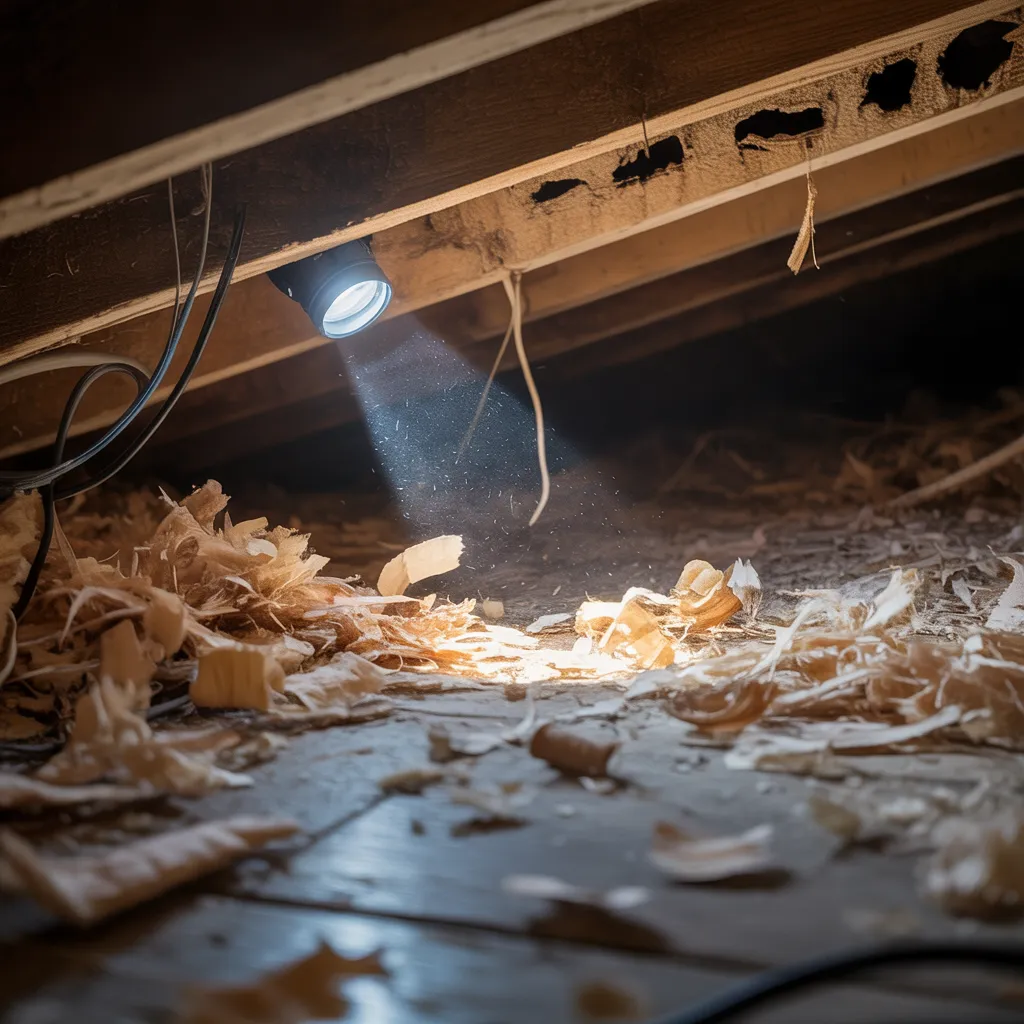
Frequent wildlife invaders create major hazards for households, causing structural deterioration that can weaken a building's foundation. Such creatures are capable of tainting insulation, creating health hazards for occupants. Moreover, the existence of these intruders creates significant electrical safety issues, given their tendency to bite through cables, elevating the chances of fire outbreaks.
Structural Damage Risks
The existence of wildlife invaders can cause significant structural damage in households. Creatures including raccoons, squirrels, and rodents frequently take advantage of gaps in the outer structure of buildings, forming access points that weaken structural stability. Raccoons, for instance, may strip away roofing components and deteriorate insulation, while squirrels can nibble on wiring systems and wooden supports, increasing the risk of fire hazards. Furthermore, tunneling animals can destabilize foundations by creating tunnels, amplifying the risk of foundation failure. With the passage of time, these breaches can allow moisture to enter, leading to mold growth and wood rot. Residents ought to be watchful for indicators of animal intrusion to prevent costly repairs and guarantee the safety and longevity of their properties. Swift action is necessary to address these threats.
Insulation Contamination Problems
Insulation serves as an essential barrier against temperature fluctuations, but it can readily be damaged by encroaching creatures. Animals such as mice and raccoons can tear through insulation materials, creating pathways that allow for further entry into home structures. Their nesting behaviors frequently lead to contaminating the insulation with feces, urine, and various debris, resulting in widespread contamination. This not only diminishes the insulation's effectiveness but also poses health risks due to potential exposure to harmful pathogens. Furthermore, decomposing animal remains can produce foul odors and draw in additional pests. Property owners should tackle insulation contamination quickly to preserve both energy performance and indoor air quality, underscoring the value of reliable wildlife control and corrective measures.
Electrical Safety Concerns
How do wildlife pests lead to electrical dangers in residential properties? Everyday wildlife intruders, like rodents and birds, are capable of causing serious harm to electrical systems. Rodents especially are notorious for chewing through wires, leading to exposed conductors and the risk of short circuits. This presents not only a danger of fire but also raises the likelihood of electrical shock for those living in the home. Furthermore, nesting debris from birds can block ventilation systems or build up near electrical panels, increasing the risk of fire. Moreover, wildlife may introduce moisture through burrows or droppings, creating an environment conducive to corrosion and electrical failure. Addressing these risks through effective wildlife control and regular inspections is essential to maintaining a safe living environment.
How to Detect Evidence of Wildlife in Your Area
Detecting signs of animal presence is essential for efficient mitigation methods. Common indicators include prints, characteristic sounds, and peculiar scents that can signal the intrusion of animals. Identifying these indicators promptly can assist in preventing harm to your property.
Popular Wildlife Track Identification
Many outdoor enthusiasts find that identifying common animal tracks is crucial for comprehending the dynamics of local ecosystems. Prints differ among species, displaying characteristic shapes and measurements. To illustrate this point, deer tracks are heart-shaped, while raccoon prints exhibit a hand-like appearance with elongated fingers. The tracks of canines, including coyotes, present a notably oval shape accompanied by visible claw impressions. Observing the spacing between tracks can also provide clues about the animal's size and movement speed. Moreover, recognizing claw patterns can aid in telling various species apart; as an example, bobcat prints are characterized by an absence of visible claw marks, in contrast to those of a dog. Recognizing these specifics enhances wildlife observation and conservation endeavors, fostering a greater appreciation for nature.

Sounds and Odors
Identifying wildlife existence often goes further than observable indicators like trail markings; auditory and olfactory cues play important roles as well. Audio signs such as movement in the shrubbery, clawing inside walls, or nocturnal chattering can suggest animals seeking shelter or food. Each species produces distinct sounds, assisting in pinpointing the potential culprits. Scents likewise deliver essential information. A musty smell may indicate a concealed wildlife nest, while a unpleasant smell could reveal a deceased animal in the vicinity. Detecting these sensory clues enables homeowners to respond without delay. By staying alert to both sounds and smells, residents can effectively assess wildlife presence and initiate appropriate control measures before the issue intensifies.
Pest and Wildlife Control: Essential Tactics for Keeping Animals at Bay
Avoiding unwanted animal access calls for a thoughtful method that integrates an understanding of animal habits with proven deterrent methods. Property owners must begin by locating possible access points, such as gaps in walls, attics, or basements, and seal them to eliminate access. Routine care of the home and grounds, including tidying up refuse and safely containing rubbish, can deter animals seeking food sources.
Furthermore, incorporating natural repellents like motion-sensing lights or sound equipment can ward off unwanted wildlife. Landscaping selections also make a difference; choosing native plants and sustaining a neat yard can decrease the attractiveness for multiple species. Informing residents about local wildlife behaviors enhances awareness and proactive measures.
The Significance of Professional Wildlife Control Services
When wildlife disturbances go beyond what homeowners can manage on their own, expert wildlife control services emerge as a critical resource. These specialized services offer expertise in identifying and addressing a wide range of wildlife issues, guaranteeing both safety and compliance with local regulations. Certified experts apply humane trapping approaches and exclusion practices to limit the disruption to local ecosystems while efficiently managing disputes with wildlife.
Additionally, these professionals often conduct comprehensive assessments of properties to uncover potential entry points that may invite future wildlife entry. By using advanced tools and techniques, they can address the root sources of wildlife issues, rather than merely addressing immediate concerns. This proactive approach not only shields homes but also promotes coexistence with local wildlife. In the end, enlisting professional wildlife control services guarantees that homeowners can manage complex wildlife issues in a safe and effective manner, reducing risks to their homes and their overall well-being.
Why Removing Dead Animals Is Essential
The existence of deceased animals on a property can pose significant health risks and invite problematic pests. Decomposing carcasses release harmful bacteria and pathogens, which can pollute soil and water supplies, endangering the health of humans and animals. Moreover, the odor emanating from a decaying body can disrupt the quality of life for nearby residents and produce an inhospitable environment.
Furthermore, dead animals can become a attractant for scavenging creatures, including rodents and insects, leading to new explore this pest infestations. This can develop into more serious complications, necessitating broader pest control solutions. Acting quickly to remove dead animals is critical to address these dangers and return the environment to a safe condition.
Professional dead animal removal services have the capability to address these scenarios promptly, guaranteeing appropriate disposal and thorough sanitation. By tackling the problem promptly, property owners can protect their health, preserve local ecosystems, and sustain the quality of their property.
What Should You Look for in a Wildlife Control Service?
Reliable wildlife control services are crucial for sustaining a safe and healthy environment, particularly following concerns like dead animal removal. There are several important factors to evaluate when choosing a wildlife control service. First, verify the company is licensed and insured, because this establishes their authenticity and provides protection from liability. Experience in the field is essential; an organization with an established record of achievement is more capable of managing a wide range of wildlife problems effectively.
Additionally, inquire about their methods for pest and animal removal, confirming they practice ethical and eco-friendly procedures. Customer reviews and testimonials can provide insight into the company's reliability and effectiveness.
Finally, a reputable service should provide a comprehensive inspection and follow-up to avoid subsequent wildlife intrusions. By evaluating such standards, clients can select a wildlife management provider that prioritizes safety, efficiency, and ethical practices.
Frequently Asked Questions
What Are the Legal Guidelines for Wildlife Management in My Area?
Laws and regulations for controlling wildlife vary by location, frequently necessitating permits for trapping and relocation. Regional wildlife authorities supply detailed guidelines, promoting humane care and conformity with wildlife conservation laws to preserve wildlife and natural ecosystems.
What Are the Safe Steps for Handling a Dead Animal on My Property?
To safely handle a dead animal, it is recommended to put on gloves, employ a shovel for the removal process, place the body in a double bag, and discard it in compliance with local regulations, guaranteeing proper sanitation and reducing potential health risks.
What Are the Pricing Details for Wildlife Control Services?
The pricing for wildlife control services fluctuates considerably, generally falling between $100 and $1,500. Factors influencing pricing include the species of wildlife involved, extent of infestation, along with the control methods and preventative measures utilized.
Can Wildlife Control Fully Eliminate the Risk of Future Infestations?
Professional wildlife management can substantially decrease the likelihood of subsequent pest issues through preventive measures, but it does not ensure absolute protection. Continuous oversight and upkeep are necessary to minimize risks and address any potential issues promptly.
Which Animal Species Require Specialized Removal Approaches?
Particular animals, like raccoons, bats, and snakes, demand specialized extraction techniques due to their unique behaviors and potential health risks. Qualified professionals must use particular approaches to provide safe and responsible management during the extraction process.